
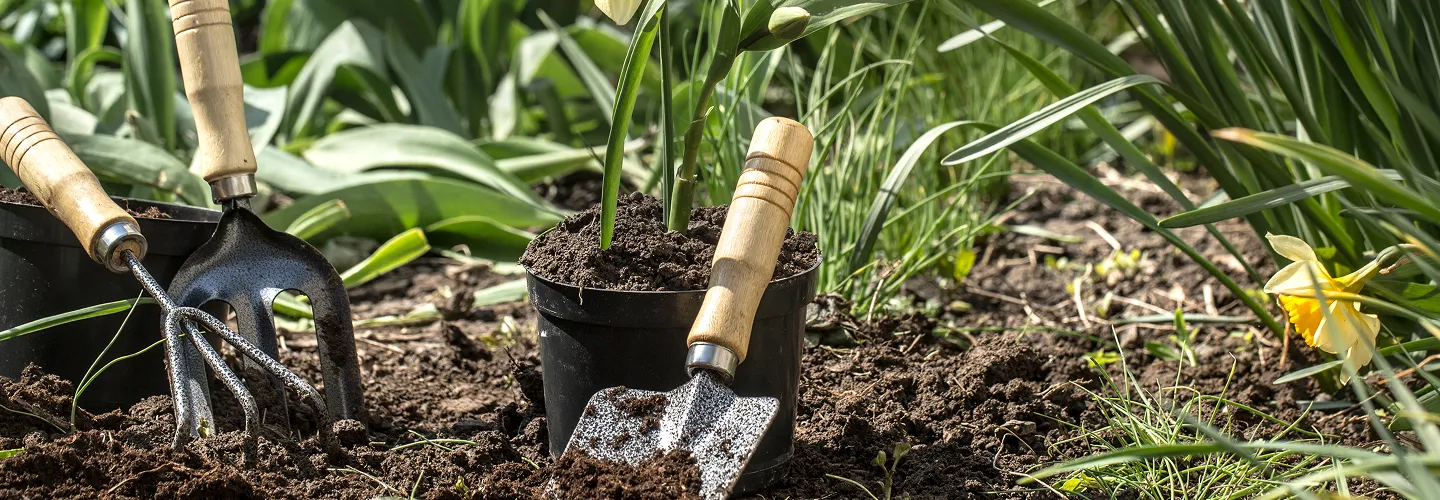
Stonington Lawn Seeding Services
Choose our expert lawn seeding services for a lush, resilient yard—our proven methods ensure even growth, improved soil health, and a beautiful lawn that stands out season after season.
Get a Free QuoteOur Stonington Landscaping & Yard Care Services
When to Schedule Lawn Seeding in Stonington, Connecticut – Seasonal Guide
In Stonington, Connecticut, the best time to schedule lawn seeding is typically late summer through early fall. This period takes advantage of cooler temperatures and increased rainfall, which are ideal for seed germination and root establishment. The local climate, with its humid summers and cold winters, means that seeding too early in spring or too late in fall can expose new grass to frost or drought stress. Neighborhoods near the Mystic River or around Stonington Borough often experience unique microclimates, so it’s important to consider your property’s proximity to water and shade from mature trees.
Local environmental factors such as the region’s average first frost date, soil composition (often sandy loam in areas like Pawcatuck), and the risk of late-summer droughts all play a role in determining the optimal seeding window. Homeowners should also be aware of municipal guidelines and seasonal restrictions, which can be found on the Town of Stonington’s official website, to ensure compliance with local regulations.
Local Factors to Consider for Lawn Seeding in Stonington
- Tree density and shade coverage, especially in established neighborhoods like Old Mystic
- Terrain and drainage, which affect seed retention and water absorption
- Typical precipitation patterns and risk of late-summer drought
- Soil type, such as sandy or clay-heavy soils common in coastal areas
- Municipal restrictions or recommendations regarding lawn care and water usage
Benefits of Lawn Seeding in Stonington

Thicker, Healthier Lawns
Improved Curb Appeal
Weed and Pest Resistance
Customized Seed Blends
Professional Expertise
Cost-Effective Lawn Solutions

Stonington Lawn Seeding Types

Cool-Season Grass Seeding
-
Warm-Season Grass Seeding
-
Overseeding Existing Lawns
-
Erosion Control Seeding
-
Shade-Tolerant Grass Seeding
-
Drought-Resistant Grass Seeding
-
Native Grass Seeding
Our Lawn Seeding Process
Site Evaluation
Soil Preparation
Seed Selection
Seeding Application
Watering and Maintenance
Why Choose Stonington Landscape Services
-
Stonington Homeowners Trust Us
-
Expert Lawn Maintenance
-
Reliable Seasonal Cleanups
-
Competitive Pricing
-
Professional Team
-
Satisfaction Guarantee
-
Personalized Service
Stonington’s Glacial Till Soils: Implications for Lawn Seeding and Site Preparation
Stonington’s predominant soils, as identified by the USDA Web Soil Survey, are glacial tills such as Charlton-Chatfield and Paxton series, which are typically rocky, moderately acidic (pH 5.5-6.5), and often poorly drained. These conditions require specific site preparation for successful lawn seeding. Core aeration to a depth of 2-3 inches is recommended to alleviate compaction and improve seed-to-soil contact. Incorporate 2-3 inches of compost tilled to a 6-inch depth to enhance organic matter and drainage. Soil testing through UConn Extension (typical cost: $15-25) is advised to determine lime requirements for pH adjustment. For areas with persistent drainage issues, consider installing subsurface drains or selecting turfgrass species tolerant of wet conditions. Compliance with local buffer requirements is essential when working near wetlands or conservation areas, as regulated by the Stonington Conservation Commission.
Stonington Conservation Commission
152 Elm Street, Stonington, CT 06378
Phone: (860) 535-5095
Official Website: Stonington Conservation Commission
Optimal Lawn Seeding Timing for Stonington’s Coastal Climate
Stonington is located in USDA Hardiness Zone 6b-7a, with a coastal microclimate that moderates temperature extremes but increases humidity and salt exposure. The ideal window for cool-season lawn seeding is August 20 to September 30, when soil temperatures are 60-70°F and rainfall is more consistent. Spring seeding is possible from April 15 to May 30, but weed competition and summer heat stress are greater risks. Avoid seeding during June-August due to high temperatures and drought potential. Monitor local weather forecasts through the National Weather Service - Boston/Norton Office for optimal soil moisture and frost dates. For best results:
- Fall seeding: August 20 - September 30 (preferred)
- Spring seeding: April 15 - May 30 (secondary)
- Soil temperature: 60-70°F
- Avoid: June-August (heat/drought stress)
Municipal Coordination: Stonington’s Yard Waste Collection and Seeding Debris Management
Proper disposal of lawn seeding debris, such as sod, thatch, and packaging, is regulated by Stonington’s Department of Public Works. Yard waste collection occurs weekly on Thursdays from April through November. Residents must use biodegradable paper bags or 32-gallon reusable bins; plastic bags and branches over 4 inches in diameter are prohibited. Drop-off at the town transfer station is available for larger volumes. Equipment operation for seeding and site preparation is permitted:
- Monday-Friday: 7:00 AM - 7:00 PM
- Saturday: 8:00 AM - 6:00 PM
- Sunday and holidays: Prohibited Violations of these ordinances may result in fines. For detailed collection schedules and disposal guidelines, consult the Department of Public Works.
Stonington Department of Public Works
152 Elm Street, Stonington, CT 06378
Phone: (860) 535-5055
Official Website: Stonington Department of Public Works
Environmental Compliance: Wetland Buffers and Stormwater Protection in Stonington
Lawn seeding projects in Stonington must comply with local and state environmental regulations to protect wetlands, streams, and Long Island Sound. The Connecticut Environmental Protection Act and the Clean Water Act require a minimum 25-foot no-disturbance buffer from wetlands, enforced by the Stonington Conservation Commission. The town’s MS4 permit prohibits grass clippings and soil from entering storm drains. Fertilizer and pesticide applications are restricted within 50 feet of water bodies. To ensure compliance:
- Maintain 25-foot buffer from wetlands
- No fertilizer/pesticide within 50 feet of water
- Prevent debris from entering storm drains
- Use erosion control (e.g., straw wattles) on slopes For technical guidance, consult the Connecticut Department of Energy and Environmental Protection and EPA Region 1.
Connecticut Department of Energy and Environmental Protection
79 Elm Street, Hartford, CT 06106
Phone: (860) 424-3000
Official Website: Connecticut Department of Energy and Environmental Protection
Turfgrass Species Selection for Stonington’s Coastal and Shaded Lawns
Selecting appropriate turfgrass species is critical for long-term lawn health in Stonington’s variable soils and microclimates. For full sun and moderate salt exposure, Kentucky bluegrass (Poa pratensis) and perennial ryegrass (Lolium perenne) are recommended. In shaded or poorly drained areas, fine fescues (Festuca rubra) and tall fescue (Festuca arundinacea) offer improved tolerance. For high-traffic or play areas, blend 60% Kentucky bluegrass with 40% perennial ryegrass. Recommended cultivars include:
- ‘Midnight’ Kentucky bluegrass (shade/salt tolerance)
- ‘Fiesta 4’ perennial ryegrass (rapid establishment)
- ‘Shadow II’ fine fescue (deep shade) Seed at 3-4 lbs per 1,000 sq ft for new lawns, and 2-3 lbs per 1,000 sq ft for overseeding. Consult UConn Extension for regionally adapted varieties and soil test interpretation.
What Neighborhoods Do We Serve Throughout Stonington, CT?
- Stonington Borough: Historic district with compact lots, mature trees, and frequent shade; glacial till soils require careful drainage management and shade-tolerant seed blends.
- Pawcatuck: Mix of residential and commercial properties, moderate clay content, and proximity to Pawcatuck River; buffer compliance and erosion control are critical near water.
- Mystic: Coastal exposure, sandy loam soils, and salt spray influence; select salt-tolerant turf species and monitor for wind desiccation.
- Old Mystic: Larger lots, forested edges, and variable slopes; compaction and runoff management are key for successful establishment.
- Quiambaug: Low-lying areas with seasonal wetness and high water table; prioritize drainage solutions and wet-tolerant grass varieties.
- Masons Island: Island community with sandy soils, limited access, and conservation restrictions; native species and minimal disturbance practices are recommended.
- Wequetequock: Rural character, open fields, and exposure to wildlife; deer-resistant turf blends and fencing may be necessary for establishment.