
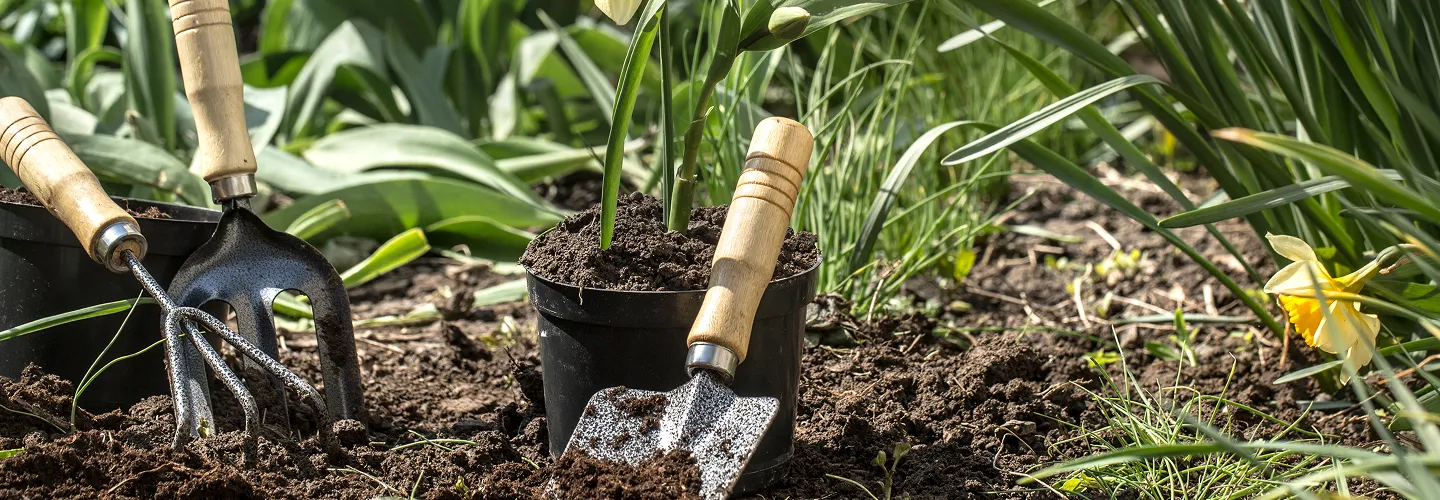
Stonington Flower Bed Maintenance Services
Choose our Flower Bed Maintenance for expert care, healthy blooms, and a beautiful landscape that enhances your home's curb appeal—let us handle the hard work so you can enjoy a thriving, colorful garden without the hassle.
Get a Free QuoteOur Stonington Landscaping & Yard Care Services
When to Schedule Flower Bed Maintenance in Stonington, Connecticut – Seasonal Guide
In Stonington, Connecticut, the best times for flower bed maintenance are closely tied to our unique coastal climate and the rhythms of the seasons. Early spring, just after the last frost date, is ideal for cleaning up beds, dividing perennials, and preparing soil—especially in neighborhoods near the Mystic River or around Stonington Borough, where humidity and shade coverage can vary significantly. Late summer into early fall is another key window, as cooler temperatures and increased rainfall help new plantings establish strong roots before winter sets in.
Local factors such as the sandy soils near Dodge Paddock or the denser, clay-rich earth found closer to Pequotsepos Brook can influence how and when you should schedule maintenance. Homeowners should also consider the risk of late spring frosts, periods of summer drought, and municipal guidelines for landscaping. For more information on local environmental regulations, visit the Town of Sudbury's official site.
Local Factors to Consider for Flower Bed Maintenance in Stonington
- Tree density and shade coverage, especially in wooded areas like Old Mystic
- Soil type variations (sandy vs. clay-rich)
- Proximity to water sources and risk of flooding
- Seasonal precipitation patterns and drought risk
- Municipal restrictions on water use or landscaping
- Terrain and slope, which affect drainage and erosion
Benefits of Flower Bed Maintenance in Stonington

Enhanced Curb Appeal
Weed and Pest Prevention
Healthier Plant Growth
Seasonal Color Management
Professional Landscaping Expertise
Time and Effort Savings

Stonington Flower Bed Maintenance Types

Seasonal Flower Planting
-
Weed Control Services
-
Mulching and Soil Conditioning
-
Pruning and Deadheading
-
Fertilization Programs
-
Pest and Disease Management
-
Edging and Bed Redefining
Our Flower Bed Maintenance Process
Site Evaluation
Weed Removal
Soil Preparation
Plant Care
Mulching
Why Choose Stonington Landscape Services
-
Stonington Homeowners Trust Us
-
Expert Lawn Maintenance
-
Reliable Seasonal Cleanups
-
Competitive Pricing
-
Professional Team
-
Satisfaction Guarantee
-
Personalized Service
Stonington’s Glacial Till Soils and Drainage Considerations for Flower Bed Maintenance
Stonington’s predominant soils, as identified by the USDA Web Soil Survey, are Inceptisols and Ultisols formed from glacial till, often characterized by moderate acidity (pH 5.5–6.5), stony texture, and variable drainage. Flower bed maintenance in these conditions requires careful soil amendment and drainage management. Incorporate 2–3 inches of compost tilled to a 6-inch depth to improve organic matter and structure. For areas with poor drainage or seasonal water tables at 12–18 inches, raised beds or subsurface drainage may be necessary. Soil testing is recommended every 2–3 years, with services available through UConn Extension (typical cost: $15–25 per sample). Lime applications are advised if pH falls below 6.0.
Stonington Department of Public Works
152 Elm Street, Stonington, CT 06378
Phone: (860) 535-5055
Official Website: Stonington Department of Public Works
provides guidance on soil management and drainage improvements for municipal properties.
Seasonal Timing and Weather Guidance for Flower Bed Care in Stonington
Stonington is located in USDA Hardiness Zone 6b–7a, with average last frost dates between April 20 and May 10 and first frost typically in late October. Optimal planting and maintenance windows for flower beds are April 15–June 1 (spring) and September 1–October 15 (fall). Avoid major soil disturbance or mulching during periods of heavy rainfall, which are common in April and November. Consult the National Weather Service – Boston/Norton Office for up-to-date local forecasts and frost advisories. Key timing recommendations include:
- Spring mulching: April 15–May 15
- Fertilization: Early May and early September
- Deadheading and pruning: June–September
- Fall cleanup: October 15–November 15
Municipal Collection, Debris Disposal, and Compliance with Stonington Ordinances
Proper disposal of flower bed debris in Stonington is regulated by municipal ordinance. Yard waste collection occurs every Thursday from April through November. Residents must use biodegradable bags or reusable bins (32-gallon maximum); plastic bags and branches over 4 inches in diameter are prohibited. Accepted materials include leaves, grass clippings, and brush under 4 feet in length. Debris must not be placed in the street or block storm drains, as this violates the town’s MS4 permit under the Clean Water Act. Equipment operation for maintenance is permitted:
- Monday–Friday: 7:00 AM–7:00 PM
- Saturday: 8:00 AM–6:00 PM
- Sunday and holidays: Prohibited
Stonington Department of Public Works
152 Elm Street, Stonington, CT 06378
Phone: (860) 535-5055
Official Website: Stonington Department of Public Works
oversees collection schedules and ordinance enforcement.
Environmental Protections: Wetland Buffers and Stormwater Compliance in Stonington
Flower bed maintenance near Stonington’s wetlands, streams, and coastal buffers must comply with both local and state environmental regulations. A minimum 25-foot no-disturbance buffer is required from delineated wetlands, and no fertilizer or pesticide application is permitted within 50 feet of water bodies. The Connecticut Environmental Protection Act and the town’s MS4 stormwater permit prohibit yard waste or soil entering storm drains. Sensitive areas, such as those adjacent to the Mystic River and local conservation lands, require additional review by the Conservation Commission. For projects within regulated areas, a permit application (fee: $50; review time: 10 business days) is required.
Stonington Conservation Commission
152 Elm Street, Stonington, CT 06378
Phone: (860) 535-5095
Official Website: Stonington Conservation Commission
provides oversight and guidance on buffer requirements and environmental compliance.
Plant Selection for Stonington’s Coastal Microclimate and Deer Pressure
Selecting appropriate species for flower beds in Stonington requires consideration of the coastal microclimate, salt exposure, and high deer populations. Recommended species for full sun include:
- Black-eyed Susan (Rudbeckia hirta)
- Purple coneflower (Echinacea purpurea)
- Daylily (Hemerocallis spp.) For partial shade:
- Coral bells (Heuchera spp.)
- Astilbe (Astilbe spp.)
- Hosta (Hosta spp.) Deer-resistant options:
- Lavender (Lavandula angustifolia)
- Russian sage (Perovskia atriplicifolia)
- Salvia (Salvia nemorosa) Native species such as wild bergamot (Monarda fistulosa) and cardinal flower (Lobelia cardinalis) are encouraged for pollinator support and resilience. Reference the UConn Extension for additional plant recommendations and diagnostic services.
What Neighborhoods Do We Serve Throughout Stonington, CT?
- Mystic: Features historic homes and mature landscapes with compacted glacial till soils, requiring frequent soil amendment and careful drainage management for flower beds.
- Pawcatuck: Proximity to the Pawcatuck River and floodplain areas necessitates strict adherence to wetland buffer regulations and use of salt-tolerant, flood-resilient plant species.
- Old Mystic: Characterized by larger lots and wooded areas, with increased deer pressure and shade, making deer-resistant and shade-tolerant plant selection essential.
- Stonington Borough: Dense development and limited green space require creative bed design, container gardening, and compliance with historic district landscaping standards.
- Quiambaug: Coastal exposure and sandy soils demand salt-tolerant species and regular soil enrichment to maintain healthy flower beds.
- Wequetequock: Rural setting with variable drainage and proximity to conservation lands, requiring careful buffer management and coordination with local ordinances.
- Masons Island: Island microclimate, high wind exposure, and limited access necessitate specialized plant choices and logistical planning for maintenance activities.