
Stonington Hedging Services
Choose our expert hedging services for precision, reliability, and a lush, well-manicured look that enhances your property's curb appeal and long-term health.
Get a Free QuoteOur Stonington Landscaping & Yard Care Services
When to Schedule Hedging in Stonington, Connecticut – Seasonal Guide
In Stonington, Connecticut, the best times to schedule hedging are typically late spring and early fall. These periods align with the region’s moderate temperatures and reduced risk of frost, which is especially important for maintaining healthy, vibrant hedges. Stonington’s coastal climate, influenced by proximity to the Mystic River and the Long Island Sound, means that humidity and salt air can impact plant growth and recovery after trimming. Neighborhoods like Old Mystic and the Borough often experience microclimates, so it’s wise to consider your property’s specific exposure to wind and shade when planning hedge maintenance.
Local environmental factors such as the average last frost date in early May and the potential for summer droughts should guide your hedging schedule. Soil types in areas near Stonington Point tend to be sandy and well-draining, which can affect how quickly hedges recover from pruning. Additionally, municipal guidelines and seasonal restrictions—sometimes referenced on official sites like the Town of Sudbury—may influence when and how you can perform landscape work. Consulting with a local expert ensures your hedges are trimmed at the optimal time for both plant health and compliance with local regulations.
Local Factors to Consider for Hedging in Stonington
- Proximity to the coast and exposure to salt air
- Average last frost date (early May)
- Risk of summer drought and soil moisture retention
- Shade coverage from mature trees in neighborhoods like Pawcatuck
- Terrain and soil type, especially in areas near Stonington Point
- Precipitation patterns and humidity levels
- Municipal restrictions or guidelines on landscape maintenance
Benefits of Hedging in Stonington
Enhanced Curb Appeal
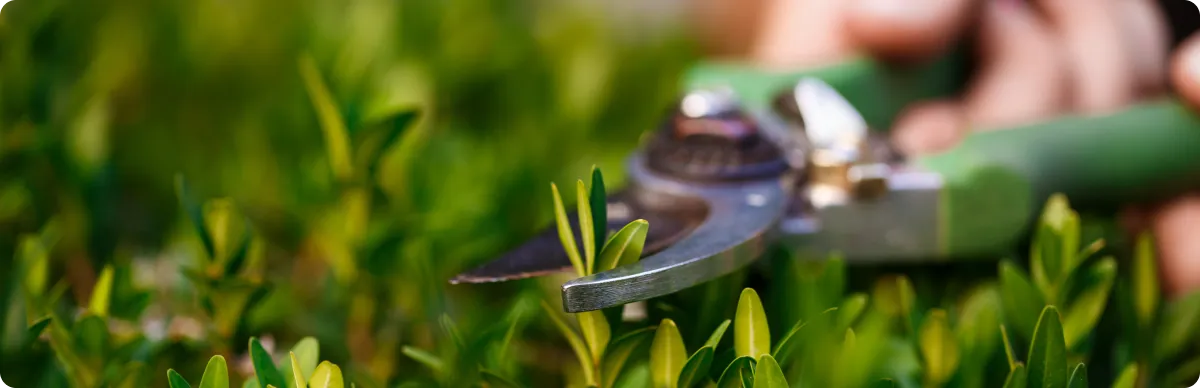
Professional Hedge Shaping
Improved Property Privacy
Healthier Plant Growth
Pest and Disease Prevention
Year-Round Landscape Maintenance
Stonington Hedging Types

Boxwood Hedges
-
Privet Hedges
-
Yew Hedges
-
Arborvitae Hedges
-
Laurel Hedges
-
Holly Hedges
-
Beech Hedges
Our Hedging Process
Consultation and Planning
Site Preparation
Precision Trimming
Cleanup and Inspection
Why Choose Stonington Landscape Services
-
Stonington Homeowners Trust Us
-
Expert Lawn Maintenance
-
Reliable Seasonal Cleanups
-
Competitive Pricing
-
Professional Team
-
Satisfaction Guarantee
-
Personalized Service
Hedging Practices and Stonington’s Glacial Till Soils: Site Preparation and Plant Health
Hedging in Stonington requires careful consideration of the town’s predominant glacial till soils, which are typically rocky, moderately acidic (pH 5.5-6.5), and often poorly drained. Before planting or maintaining hedges, it is essential to conduct a soil test—available through UConn Extension for $15-25—to determine pH and nutrient levels. For optimal hedge establishment, amend soils by incorporating 2-3 inches of compost to a 6-inch depth and apply lime if pH is below 6.0. Select species tolerant of local conditions, such as inkberry holly (Ilex glabra) or American arborvitae (Thuja occidentalis). Maintain a planting distance of 18-24 inches for dense coverage. Proper site preparation reduces transplant shock and supports long-term plant health. For technical guidance on soil management, consult the USDA Web Soil Survey.
Municipal Coordination: Stonington’s Permit Requirements and Debris Collection for Hedging Activities
All hedging work in Stonington must comply with local ordinances regarding property lines, sightlines, and debris disposal. Permits are required for hedge installation or removal within 50 feet of wetlands or in historic districts, with a typical application fee of $50 and a review period of 10 business days. Debris from hedging, including branches and clippings, must be placed in biodegradable bags or 32-gallon containers for weekly Thursday pickup (April–November). Prohibited materials include plastic bags and branches over 4 inches in diameter. Equipment operation is permitted:
- Monday–Friday: 7:00 AM – 7:00 PM
- Saturday: 8:00 AM – 6:00 PM
- Sunday and holidays: Prohibited
For ordinance details and permit applications:
Stonington Department of Public Works
152 Elm Street, Stonington, CT 06378
Phone: (860) 535-5055
Official Website: Stonington Department of Public Works
Environmental Compliance: Wetland Buffers and Stormwater Protection in Stonington Hedging Projects
Hedging near Stonington’s wetlands, streams, and coastal buffers is regulated to protect sensitive ecosystems. A 25-foot no-disturbance buffer is required from all designated wetlands, and no fertilizer or pesticide application is permitted within 50 feet of water bodies. The town’s MS4 permit, administered under the Clean Water Act and Connecticut Environmental Protection Act, prohibits yard waste and clippings from entering storm drains. To ensure compliance:
- Maintain all hedging debris on-site until collection
- Use only approved, low-phosphorus fertilizers
- Avoid chemical applications before forecasted rain (check National Weather Service)
For wetland buffer maps and compliance assistance:
Stonington Conservation Commission
152 Elm Street, Stonington, CT 06378
Phone: (860) 535-5095
Official Website: Stonington Conservation Commission
Seasonal Timing and Equipment Standards for Hedging in Stonington’s Coastal Climate
Stonington’s USDA Hardiness Zone 6b-7a and coastal microclimate influence optimal hedging schedules. Pruning and planting are best performed from April 15 to June 15 or September 1 to October 15, when soil temperatures are 50–65°F and risk of frost is minimal. Avoid major pruning during July–August to prevent heat stress. All operators must use commercial-grade, low-emission trimmers and maintain blade sharpness every 20-25 hours of use. Required personal protective equipment includes:
- ANSI Z87.1 safety glasses
- Hearing protection for noise above 85 dB
- Steel-toed boots and cut-resistant gloves
For weather updates and timing, consult the National Weather Service. Equipment and safety standards are enforced by:
Stonington Department of Public Works
152 Elm Street, Stonington, CT 06378
Phone: (860) 535-5055
Official Website: Stonington Department of Public Works
What Neighborhoods Do We Serve Throughout Stonington, CT?
- Stonington Borough: Historic district with narrow streets, mature landscaping, and strict height and setback regulations for hedges. Proximity to the harbor requires salt-tolerant species and careful debris management.
- Pawcatuck: Residential area with mixed soil drainage and frequent wetland buffers. Many properties require compliance with wetland setback rules and regular coordination for debris collection.
- Mystic: Features sloped lots and high water tables near the Mystic River. Hedging projects must address soil compaction and stormwater runoff, especially in flood-prone zones.
- Old Mystic: Rural character with larger lots, heavy clay soils, and abundant tree cover. Equipment access and brush disposal are key considerations for hedging maintenance.
- Quiambaug: Coastal neighborhood with sandy soils and exposure to wind and salt spray. Plant selection focuses on salt-tolerant and wind-resistant hedge species.
- Masons Island: Private community with HOA landscaping guidelines, limited access roads, and conservation area proximity. All hedging work must adhere to community standards and buffer requirements.
- Wequetequock: Mix of residential and agricultural properties, with variable drainage and frequent conservation easements. Hedging projects often require coordination with local conservation authorities.